
Make a little noise for this year’s World Maritime Day as it celebrates efforts to move ‘From Policy to Practice’. After all, where reducing Underwater Radiated Noise (URN) from ships is concerned, the International Maritime Organization is making significant headway.
The scale of shipping’s noise pollution issue is not in doubt. The European Environment Agency’s ‘Marine II’ report, for example, estimates 91% of Europe’s seas are exposed to continuous shipping noise.
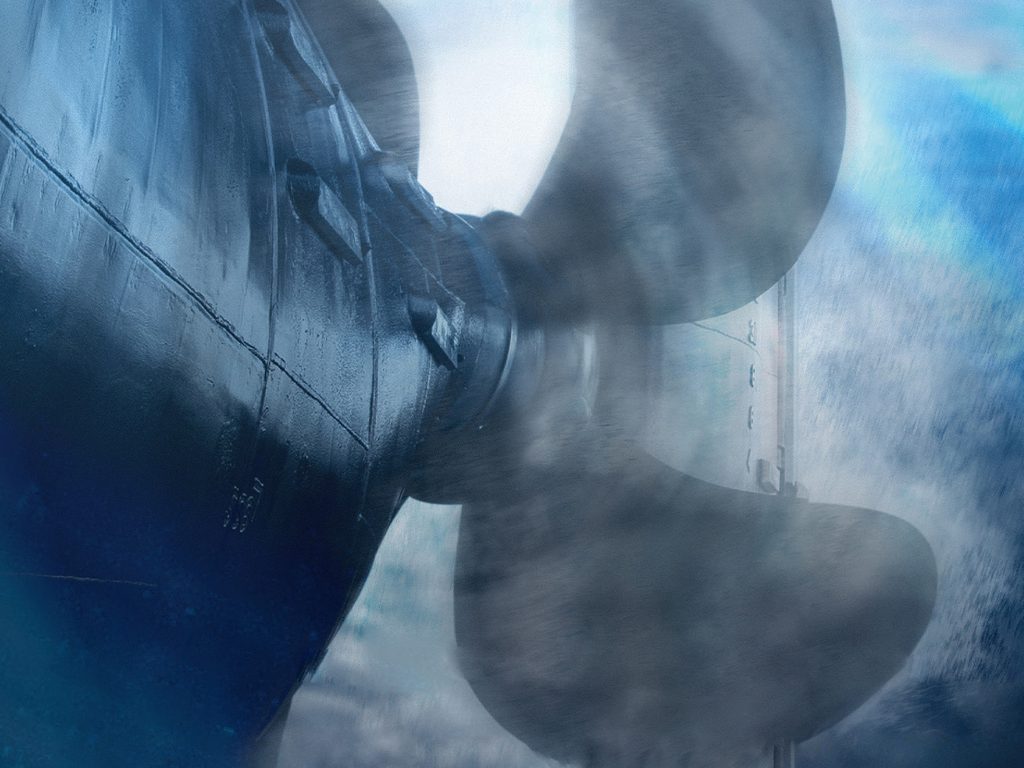
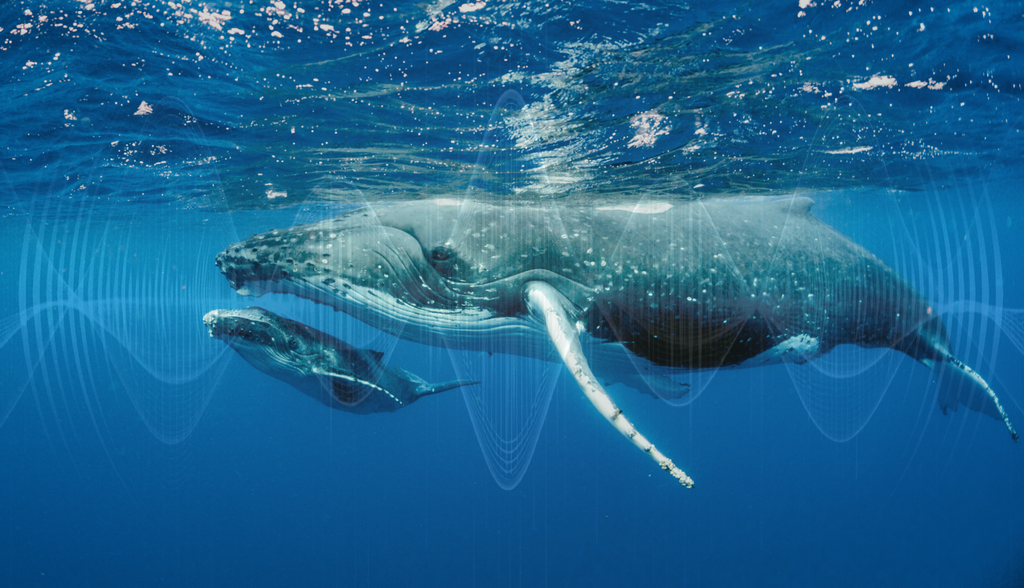
Excessive URN is dangerous for sea creatures like whales and dolphins, hindering their ability to communicate, hunt, migrate and use biosonar. Its impact is already acknowledged in IMO’s Guidelines for the reduction of underwater radiated noise from shipping, and a URN Action Plan to overcome resistance to their use.
And, with the number of ships in service globally expected to rise from 120,000 today to 150,000 by 2050, this is hardly a problem in retreat.
In June 2025, the UN Oceans Conference in Nice offered a platform to launch the ‘High Ambition Coalition for a Quiet Ocean’ – led by Canada and Panama and backed by 37 countries.
In a significant if more prosaic move last year, the IMO’s Marine Environment Protection Committee also included URN as linking to its work on energy efficiency.
Energy saving measures such as low-friction antifouling paints and under-hull air lubrication reduce resistance as ships move through water, while low cavitation propellers profiles can cut propeller-based URN (PURN). Electrical systems refinements can cut magnetic URN (MURN).
But including URN in regulatory ‘energy efficiency by design’ considerations requires a globally-accepted methodology to measure ship URN as well as mitigation strategies.
In May 2026, MEPC 84 heard from a correspondence group led by Belgium focused on working towards a URN baseline and agreed to extend its three-year URN ‘Experience Building Phase’ by two years. It also considered a CIMAC paper on the practicalities of measuring URN that could prove key for benchmarking,
The Committee also agreed in principle to commission a new study to provide an evidence base for possible future measures. Some suggest that a URN framework could echo elements of the Energy Efficiency Design Index (EEDI) and the Energy Efficiency eXisting Ship Index (EEXI).
Work towards consensus on URN will continue at MEPC 85 (30 Nov-4 Dec), although it is hard to see past the Net-Zero Framework for GHG emissions as the main MEPC talking point. Reports from an intersessional working group suggesting carbon-pricing remains in play will meet renewed resistance from oil producing states and flags identified with global shipping.
With ‘From Policy to Practice: Powering Maritime Excellence’ the theme of World Maritime Day 2026, however, it is opportune to give a shout out for IMO’s work on URN. Doing so acknowledges the UN agency’s quiet commitment to delivering the technical assistance, training and other services required to support viable global regulation.
After all, and also on the quiet, well-known marine systems makers are reporting growing numbers of customer requests to include URN in equipment performance parameters at contract stage.
For marine environmental regulators there are encouraging noises that their work is sometimes fully appreciated.